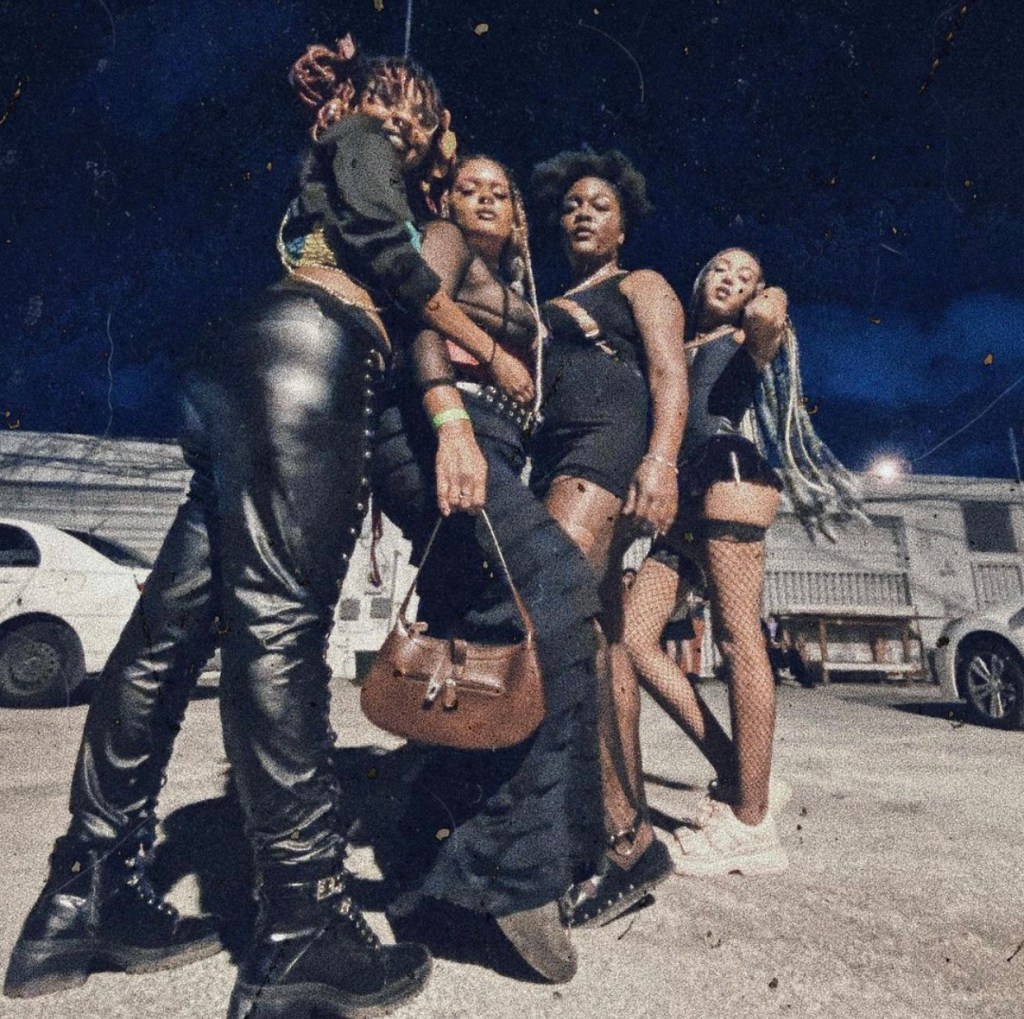
NORTH MIAMI, Fla. — Standing amidst perfect chaos and binaural beats flowingly danced a person with long purple hair, a noir-colored shoulder-cropped top, bell-bottom pants, and Demonia platform shoes.
What brought her here? An exclusive affair for Miami creatives. Luz Estrella Cruz, writer, student, and aspiring DJ would be in the presence of DJ Lo Down Loretta Brown, a.k.a. Erykah Badu, and Azealia Banks tonight. As she danced and hugged up to her friends nearby, she said her favorite part about raving is the community it creates.
“I love how everyone radically expresses themselves through their clothes, style, and makeup,” said Cruz. “The music is always good, and everyone is friendly and approachable. You can be yourself, unapologetically. I especially love how it draws creative people together and we can all inspire each other and collaborate. It’s just a good time.”
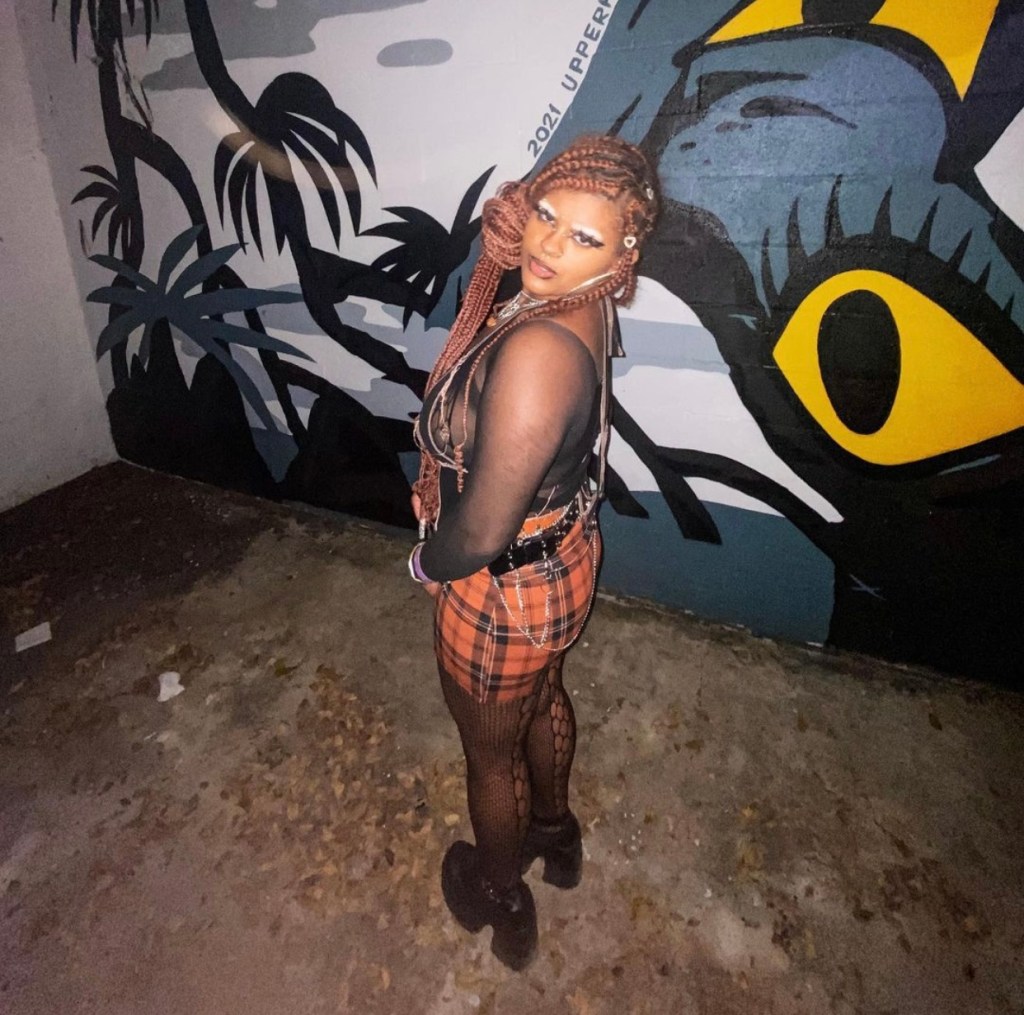
The Underground rave scene has always existed in Miami. However, during the midst of the COVID-19 pandemic and the height of the Black Lives Matter Movement, Black people, other people of color, and marginalized groups such as the LGBTQ+ community, so desperately needed a space to come together, let loose, be free, and most importantly, feel safe.
“I got into the scene because a friend of mine started dating a DJ responsible for organizing events,” Cruz recalled. “I was interested to see what raves were like and decided to go after having been invited a couple of times. I fell in love with the space, the people, and most of all, what it all meant to all be together in those moments.”
Cruz said the best rave she’s ever been to was a Masisi rave that had predominantly Black-queer people.
“I have never seen so many black-queer people assemble ever, and it was a sight to see. Everyone was beautiful and the music… the music was just everything. I also invited more of my friends to this one and they managed to come out and enjoy it with me. It was a great night.”
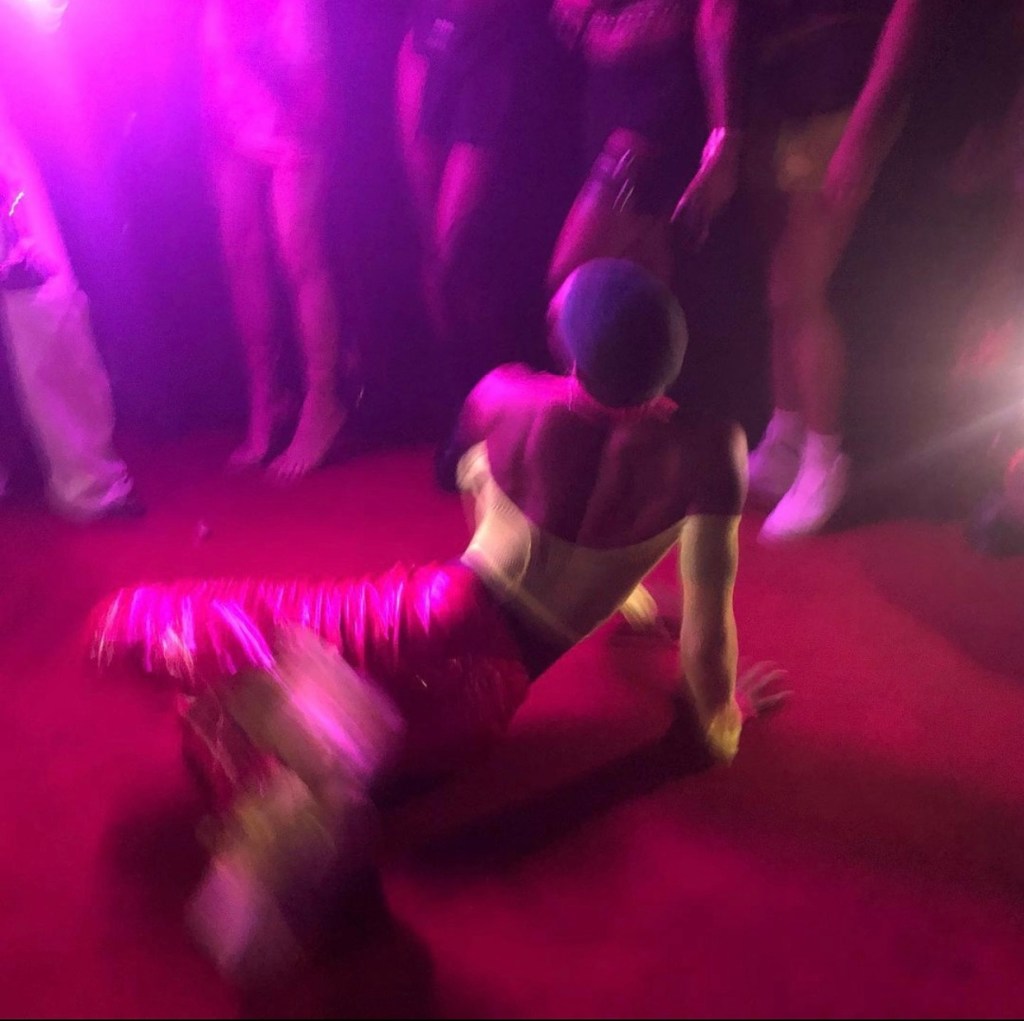
Student and rave fanatic, Day Watson, said that that one summer night Cruz invited her out to a rave changed her college life from that point on.
“I was like, ‘Sure!’, and then we just kept going and going,” laughed Watson. “The creativity of the fashion and the music that’s produced is what kept me coming back. The music is very creative because, you know, they’re DJing and literally creating a whole picture within the music. For fashion, that goes without saying.”
Cruz said the fashion aspect is one of her favorite parts of the entire rave scene as a whole.
“The process of creating an outfit for a rave influences my personal style and takes me to new places creatively as I express different parts of myself,” said Cruz. “I get inspiration from different people I see around the raves. I would take a mental note on different aspects of people’s outfits and play around with it in my head… though a lot of my outfits are created on the fly based on what I can find at the thrift store.”
Thrift stores were a common denominator when asked where rave-goers went for their unique and inventive outfits. Revamping one’s trash and turning it into treasure is a seemingly big part of the rave scene as an entire culture.
Watson expressed that sometimes, she simply throws outfits together the day before, and sometimes even a few hours before the night begins.
“Most of the stuff I’ve worn is either stuff I already had or thrifted,” said Watson. “I’ve never bought anything new and wore it to a rave.”
Shianne Salazar, a creative content creator and filmmaker, says growing up in Miami, she’s always wanted to be around the art scenes, such as the underground music and art spaces the raves are surrounded by.
“I love raving because I get to express myself in a way I can’t normally do in my everyday life,” said Salazar. “It’s like Halloween in the aspect that instead of being someone else, I’m just being a different version of myself.”
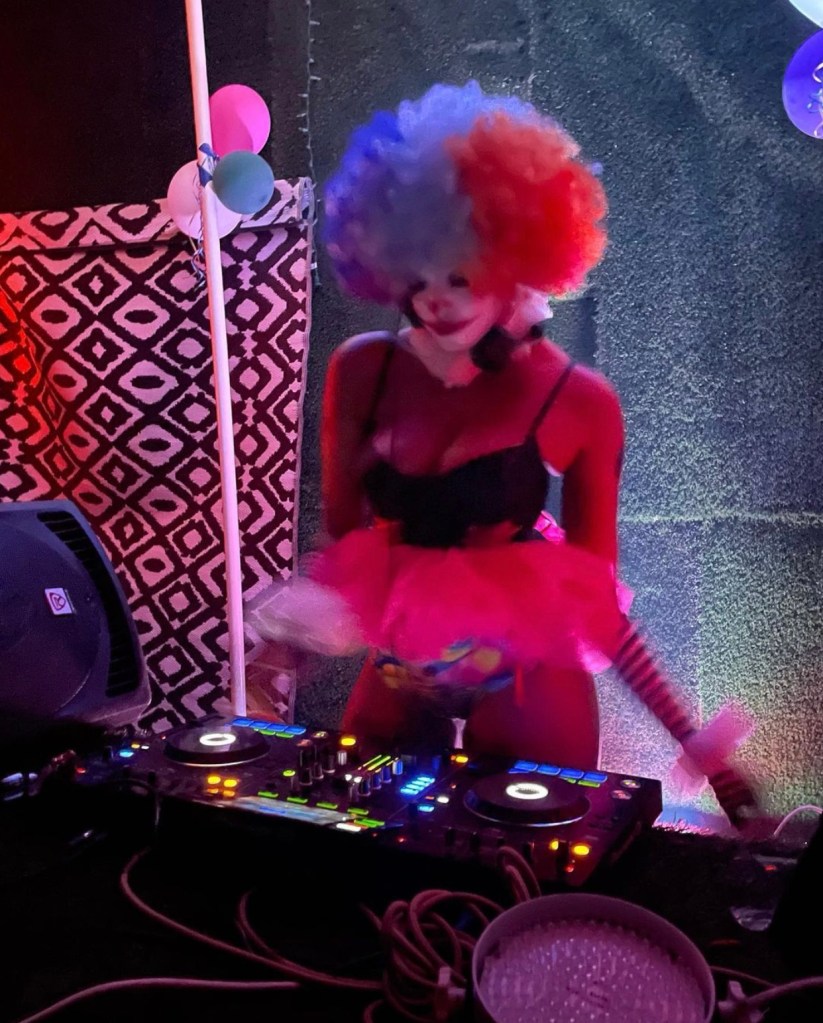
With various types of raves with different themes, there’s the opportunity to do just that. From horror clown raves to 2000’s/Y2K-themed parties, there’s an event for everyone.
“A collective called No Boys Allowed put on a BIPOC party exclusively for women and other fems in Miami,” said Salazar. “It was a Bratz/Barbie rave in 2018 and I remember being so enamored with everyone’s energy and the fashion. It felt so connective and inspiring.”
A rave-goer who’d prefer to remain anonymous said the best rave they’d ever been to was alien-themed.
“It was the first time I ever took molly, and it was really cool because we got to deeper connect with a group of people and learn so much more about who everyone was,” they said. “We stayed up all the way until the next morning just talking and it was really cool.”
Although many have had enlightening and safe experiences experimenting with different party drugs, the overall drug culture within “the scene” can create many problems, especially for venues with age requirements of only 18+.
Salazar says it’s one of her biggest concerns.
“Excessive or dangerous drug use can lead to injury or harm to themselves or others,” said Salazar. “There’s a possibility of sexual assault or worse.”
Well-known underground DJ and event curator, Marceline Steel, has specifically expressed publicly that they would not perform at 18+ clubs due to the risk of underaged people being put in unsafe situations with drugs, alcohol, and creepy predators.
“There are an overwhelming number of abusers and rapists, especially white men, becoming aware of and entering what is supposed to be a safe space and never being held accountable for their horrendous actions,” said Kay-Ann Henry, writer and artist.
Henry said although her favorite part about raving is getting the chance to be herself, unwanted people entering the space can ruin the entire purpose of the event.
“[Men] will sexually harass people, start violent mosh pits, and deliberately push people on the dance floor,” said Cruz. “They take up space that was not meant for them.”
On top of that, although the space is meant mainly for Black people and members of the LGBTQ+ community, many of the ones organizing the events are Caucasian or white presenting.
“A lot of us just want to perform, so I get it,” said Cruz when asked about why there aren’t more Black organizers. “But being in those positions would help a lot because we could really filter what happens at these events.”
With non-Black organizers, harassment can sometimes start from the door.
“One time this bouncer was being super rude to us and lowkey racist,” said Henry. “We saw our well-known DJ friend and he tried to remedy the situation but ultimately couldn’t because it wasn’t up to him.”
To combat this, Watson said there needs to be more brown people in necessary positions within the collectives organizing the raves.
“It’s very easy for white presenting people to gain power and prominence within the community,” said Watson. “But it’s not as easy for brown people to achieve powerful positions or get a say on things in a space that was originally created for us brown people… it’s not right. That definitely needs to change.”
 Life With LayLow
Leave a comment